Understanding Luck in Casino Games
Luck plays a pivotal role in many casino games, often determining the outcome in a matter of seconds. In games like slot machines and roulette, players have no influence over the result, relying solely on chance. The randomness of these games is what attracts many individuals; the thrill of potentially hitting a jackpot or winning big is compelling. This element of luck creates a sense of excitement and unpredictability, drawing players in for the chance to click here strike it rich. The idea that a single spin or card can change someone’s fortune in an instant is captivating, igniting a sense of hope that keeps players returning to the casino floor.
However, the concept of luck is often misunderstood in the realm of gaming. It is not merely the absence of skill; rather, it exists alongside it in various forms. While luck can yield immediate successes, it is essential to recognize that it is not a reliable, sustainable strategy. The excitement generated by luck is counterbalanced by the realities of probability, where wins are transient, and ultimately, the house edge often prevails. This means that while a player may experience short-term gains due to luck, over time, the statistical likelihood tends to favor the casino. Understanding this can help players set realistic expectations for their gaming experience and mitigate the disappointment that often follows a losing streak.
Many players approach games with a belief that luck is an omnipresent force, leading to misconceptions about their chances of winning. This belief can sometimes encourage reckless betting or chasing losses, as individuals become overly reliant on fortunate outcomes. Understanding luck in gaming contexts can help players make better decisions, recognizing when chance is on their side and when it’s time to walk away. By developing a clearer perspective on luck, players can enjoy the thrill of gaming without becoming overly fixated on outcomes beyond their control.
The Importance of Skill in Casino Gaming
While luck has its place, skill is a crucial factor in many casino games, particularly those that require strategy and decision-making. Games such as poker, blackjack, and certain table games allow players to influence the outcome through their actions. Skillful players can analyze situations, calculate odds, and make decisions that enhance their chances of winning. This skill sets these games apart from pure chance games, providing a level of control to the participant. In contrast to games like slots, where outcomes are completely random, skill-based games reward players who invest time in learning and practicing their craft.
Skill in casino gaming also involves understanding the nuances of each game. For instance, in poker, players must read their opponents and manage their bets based on both their hand and the behavior of others at the table. Mastering this skill can significantly impact a player’s success over time. Unlike games of luck, where every spin or card dealt is independent, skillful play can produce a more consistent level of success and often leads to long-term profitability. Moreover, the ability to adapt to changing dynamics at the table can separate the good players from the great ones, as they can adjust their strategies based on their opponents’ tendencies and the flow of the game.

Moreover, honing one’s skills can enhance the overall gaming experience. Players who invest time in learning strategies and refining their skills often find greater satisfaction and engagement at the tables. This dedication to improvement not only increases their chances of winning but also promotes a deeper understanding of the game mechanics and the psychological aspects involved in gambling. Engaging with others who share a passion for the game can also foster a sense of community and camaraderie, which adds to the enjoyment of the casino environment.
The Balance Between Luck and Skill
The interaction between luck and skill creates a unique dynamic in casino gaming. While luck may favor a player at any given moment, skill can tip the odds in favor of a player over a longer duration. For example, in a single hand of poker, a novice might win against a seasoned professional simply due to fortunate card draws. However, over the course of many games, the skilled player will likely outperform their luckier counterpart consistently. This illustrates the importance of patience and long-term thinking in a gaming environment, where short-term victories may not reflect overall ability.
This balance is what makes casino gaming captivating—it combines the thrill of chance with the strategic depth of skill. Players must constantly navigate this interplay, learning when to rely on their abilities and when to accept the element of luck. Recognizing this balance can lead to more informed wagering, ultimately resulting in a more enjoyable experience at the tables. Strategies that incorporate both skillful play and a healthy respect for luck can enhance a player’s overall experience, allowing them to appreciate the nuances of each game.
Ultimately, both aspects are intertwined in the gaming experience. While players may sometimes win through sheer luck, the educated player—armed with strategies and a strong understanding of the game—can use skill to consistently manage their gambling experience. This balance enhances the excitement and gives rise to a more sustainable approach to gaming. By acknowledging the roles both luck and skill play, players can cultivate a more enriching gaming experience that respects the inherent unpredictability of chance while leveraging their strategic capabilities.
Psychological Factors Involved in Luck and Skill
The psychological elements of gambling significantly influence one’s perception of luck and skill. Beliefs and superstitions often come into play, with many players attributing their successes or failures to luck rather than acknowledging the role of their skills or decisions. This mindset can lead to a phenomenon known as “confirmation bias,” where players remember their lucky experiences while forgetting the times when luck did not favor them. Understanding these psychological aspects can help players approach games with a healthier, more balanced perspective. Awareness of this bias can encourage players to focus on improving their skills rather than relying solely on luck.
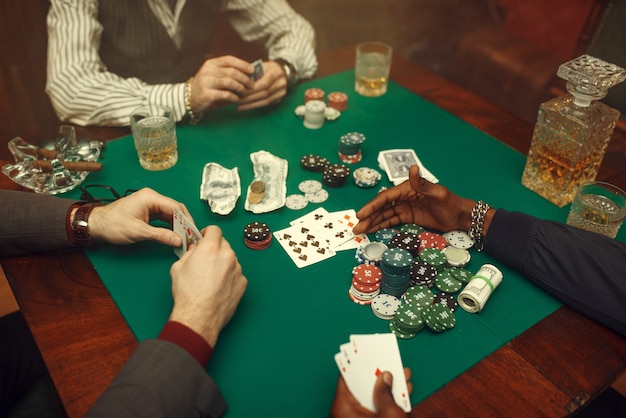
Additionally, the concept of “loser’s tilt” can emerge when players experience a run of bad luck. In this state, they may make impulsive decisions driven by frustration or desperation, abandoning their strategic approach to reclaim losses. This scenario highlights how crucial emotional regulation is in gambling, emphasizing the need for a clear strategy that incorporates both skill and an acceptance of luck’s unpredictability. Managing emotions in the face of adversity can prevent players from spiraling into negative patterns that diminish their overall enjoyment and success.
Awareness of these psychological influences can aid players in developing a balanced mindset. Engaging in self-reflection and maintaining a disciplined approach to betting can counteract the potentially negative effects of both luck and skill perceptions. Recognizing the interplay of these psychological factors helps gamblers enjoy their experiences while making more informed choices at the gaming tables. By fostering mental resilience and strategic thinking, players can navigate the highs and lows of gaming without losing sight of the fun and excitement that comes with it.
Conclusion: A Harmonious Approach to Casino Gaming
In the world of casino gaming, both luck and skill share the stage, each contributing to the overall experience. Players who understand the roles of both elements can approach gaming with greater awareness and strategy. By combining skillful play with an acceptance of the unpredictable nature of luck, individuals can enhance their enjoyment and potentially improve their outcomes. This harmonious approach promotes not only smarter gaming decisions but also a more sustainable mindset towards gambling.
Players are encouraged to cultivate their skills while respecting the element of chance, allowing for a more balanced and enjoyable gaming experience. Ultimately, recognizing the relationship between luck and skill can transform one’s perspective on casino gaming, leading to richer experiences and more engaging participation. It’s about finding joy in the game, appreciating both the thrilling unpredictability of luck and the rewarding nature of skill development.
Whether you are a novice or a seasoned player, understanding the roles of luck and skill can greatly influence your experience in the casino landscape. Fostering both can help you navigate the thrilling world of gaming, ensuring that you can enjoy the unpredictability of luck while maximizing the benefits of your skills. Embracing this duality can create a more fulfilling and enriching journey through the vibrant world of casino gaming.